Website tips
Why Every Small Business Needs a Website to Grow in 2026
Discover why a small business website in India builds trust, helps customers find you on Google, and turns visitors into enquiries—even if you already use WhatsApp or Instagram.
On this page12 sections
Introduction: Your Customers Are Already Looking Online
When someone needs a tailor in Pune, a birthday cake baker in Hyderabad, or a tuition teacher in Jaipur, the first step is often the same: they open Google, ask a friend, or scroll through Instagram. Why every small business needs a website is no longer a question reserved for large companies. Customers compare options, check timings, read reviews, and look for a phone number or WhatsApp link before they visit or call.
If you run a salon, restaurant, photography studio, or home-repair service, you already know how much business comes from word of mouth and social media. Those channels matter. But they rarely give you one clear place where a stranger can understand who you are, what you offer, and how to reach you in under a minute. That is where a small business website in India still earns its keep in 2026.
A useful site does not replace WhatsApp or Instagram. It gives you a stable home on the web that you control: your services, your photos, your contact details, and the next step you want a customer to take. The benefits of having a website for a small business show up in trust, discovery, and enquiries—not in magic overnight rankings.
Think of your website as the brochure you wish every new customer read before they walked in: consistent, complete, and always available. You can still post daily on Reels or WhatsApp Status; the site holds the details that do not fit in a caption. That combination—social for attention, a site for clarity—is how many successful online presence for small businesses strategies work in 2026.
Key takeaways
- A website gives customers one reliable place to check who you are, what you offer, and how to contact you.
- It works alongside WhatsApp and Instagram; it does not replace them.
- You can build one without coding, and start for free on Safnom.
- A website helps, but it does not guarantee sales or search rankings. Results depend on your business, your competition, and the quality of your content.
Build Trust and Professional Credibility
Indian customers are careful with their money and their time. Before booking a table, ordering a cake, or hiring a photographer for a wedding, they want signals that your business is real and professional.
A website lets you present:
- Your business name and a short, clear description
- Services or menu items with honest pricing where it makes sense
- Your address, map link, and working hours
- Photos of your shop, team, or previous work
- Testimonials or reviews you choose to highlight (only use real feedback you are allowed to share)
Imagine a neighbourhood salon in Bengaluru. A page that shows styles you specialise in, hygiene practices you follow, and a simple “Book on WhatsApp” button feels more reassuring than a bio link that changes every week. A home baker in Ahmedabad can list flavours, lead times, and pickup areas. A chartered accountant in Chennai can explain who they help and what documents clients should prepare.
You do not need flashy design. You need clarity. That is how online presence for small businesses turns casual browsers into confident enquiries.
Help Customers Discover Your Business on Google
People search with intent: “best dosa near me,” “AC repair Indore,” “mehendi artist Lucknow.” Useful pages on your site—home, services, location, FAQ—give Google clearer information about what you offer. Over time, that can help you appear for relevant searches related to your business.
A realistic expectation: no website can promise page-one rankings or guaranteed traffic. Google says local results are mainly based on relevance, distance, and prominence, and that there is no way to request or pay for a better local ranking. You can read the details in Google’s own guide to improving your local ranking.
What a website can do is give Google and your customers clear, consistent information. A site supports local SEO basics:
- Accurate business name, address, and phone number (NAP) on your site
- Dedicated pages for important services rather than one long paragraph
- Descriptive page titles and summaries (Safnom’s editor includes SEO fields for this)
- A verified Google Business Profile whose hours and contact details match your website
Google also notes that businesses with complete and accurate information are more likely to show up in local search results. When your site and profile agree, customers waste less time and you look more reliable. That is a practical reason why your business needs a website in 2026, even if you already appear on Google Maps today, and it is one of the clearest ways a website helps a small business grow: by making the next step easy for people who already want what you sell.
Your Website Is Different from Social Media
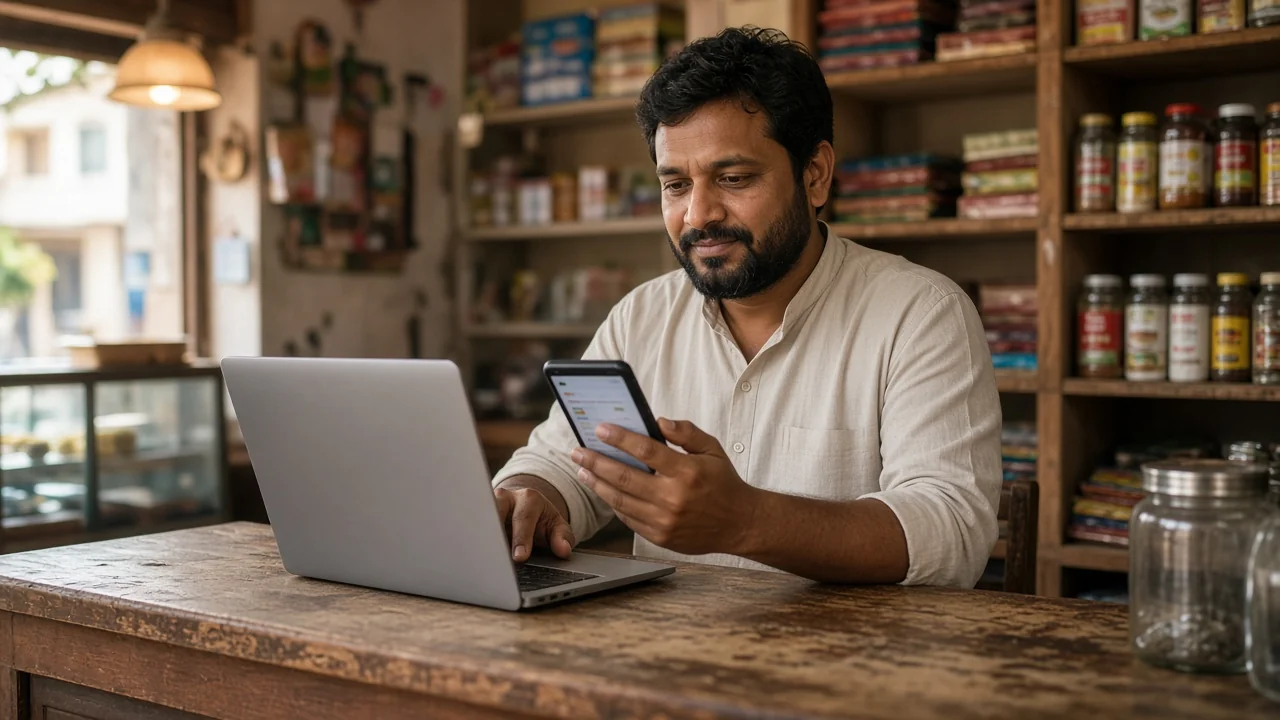
Instagram and Facebook are excellent for discovery, offers, and community. Algorithms change, reach varies, and you do not own the platform. A business website versus social media comparison is not about choosing one forever—it is about balance.
| What matters | Your website | Social platforms |
|---|---|---|
| Control | You decide layout, sections, and primary call to action | Platform controls format and reach |
| Depth | Room for services, FAQs, galleries, policies | Great for posts, less ideal as a permanent brochure |
| Discovery | Supports search for specific services | Strong for trends and shares |
| Contact | One clear path: call, form, WhatsApp | Often buried in bio links |
Your website is the place you send people when they ask, “What exactly do you offer?” Social posts can tease; your site can explain. Hosting and domains involve their own setup and policies—Safnom includes publishing on a free safnom.in subdomain with HTTPS on the Starter plan, and you can connect a domain you already own when you are ready (domains guide).
Get More Customer Enquiries
A website should make the next step obvious. Depending on your business, that might be:
- WhatsApp enquiry links for quick questions
- Contact forms for detailed requests (Safnom themes include contact sections on live sites)
- Click-to-call buttons on mobile
- Service enquiry forms for events, repairs, or bookings
- Location and directions for walk-in businesses
- Clear calls to action such as “View menu,” “Request a quote,” or “Book a consultation”
Examples:
- Salon: Service list, price range, stylist photos, WhatsApp button for slot requests
- Restaurant: Menu PDF or page, timings, map, click-to-call for reservations
- Photographer: Portfolio gallery, packages, form for date and venue
- Home-service (plumber, electrician): Areas served, emergency number, simple job description form
The goal is fewer back-and-forth messages to learn basic facts—and more conversations that start one step closer to a booking.
Showcase Products, Services, and Previous Work
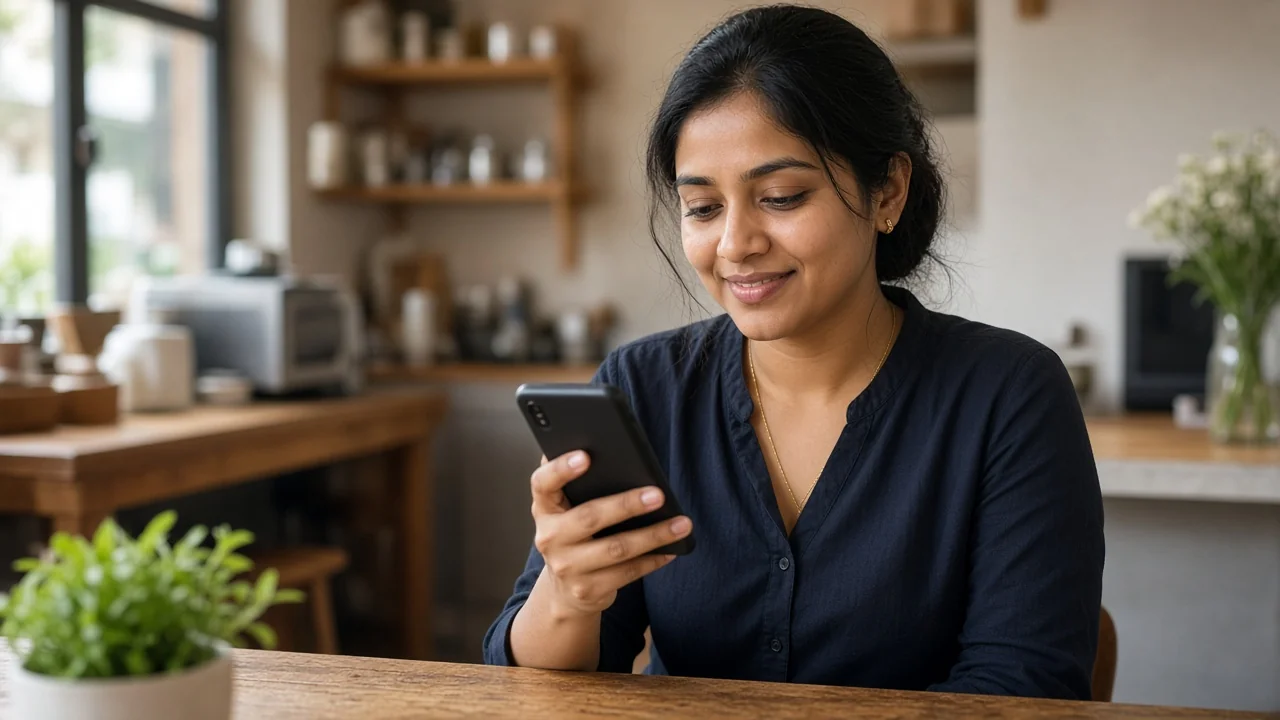
Photos sell trust. A free website builder for small business users should make it easy to add images without coding. On your site you can group:
- Product categories or menu sections
- Before/after or portfolio galleries
- Short service descriptions with what is included
- Pricing guidance where you are comfortable sharing it
- FAQs that answer repeat questions (“Do you deliver?” “Do you take walk-ins?”)
A boutique in Kochi can rotate seasonal collections. A tutor can list boards, subjects, and modes (online/offline). A fitness coach can outline programmes and testimonials. Good visuals plus plain language help customers decide without calling ten different shops.
Reach Customers Beyond Your Immediate Location
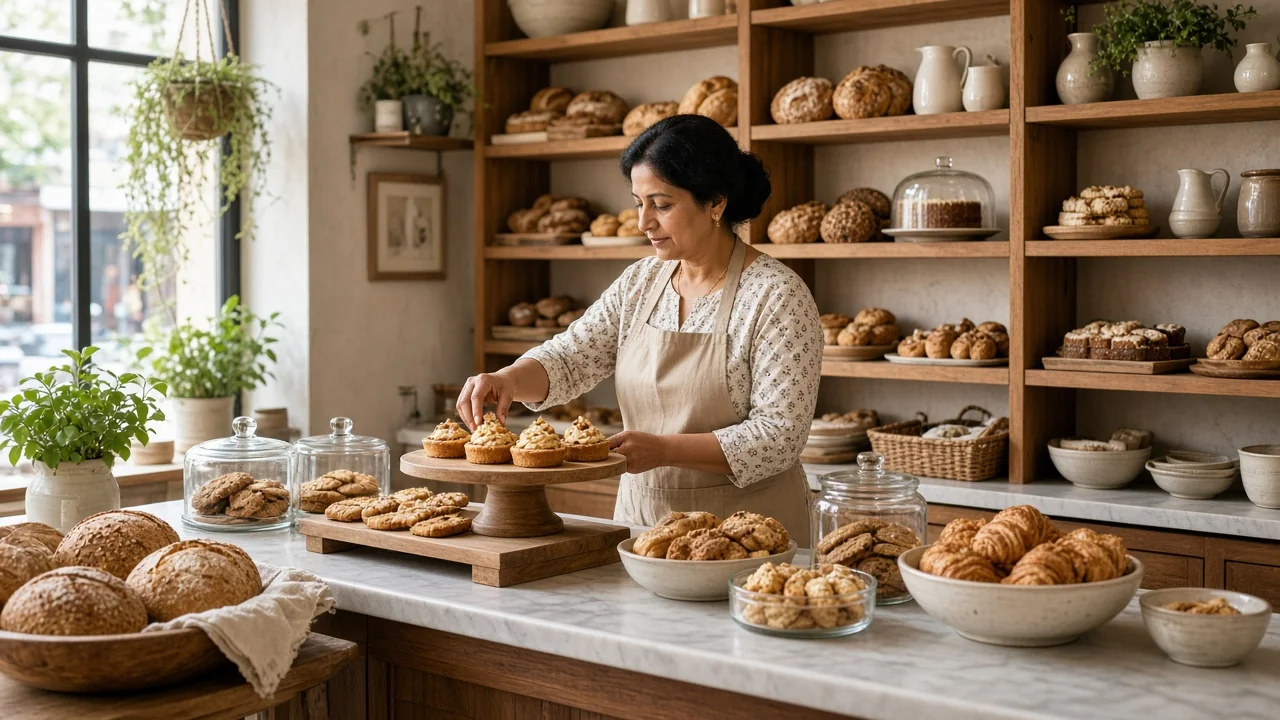
Even local businesses sometimes serve a wider area—catering, photography, consulting, niche retail, or online lessons. A website lets you state where you deliver, travel, or meet clients. Visibility still depends on relevance, competition, and how well your pages match what people search for. A site does not automatically put you in front of every city in India, but it gives you a place to explain reach and specialties beyond your street.
Work for Your Business Beyond Opening Hours
Shops close; owners rest. Your website can still answer common questions at midnight: Where are you located? Are you open on Sunday? Do you offer home delivery? What is included in the basic package? That is not the same as automated sales or 24/7 human support—it is information working while you are offline, so morning enquiries start warmer.
Common Reasons Small Businesses Delay Creating a Website
“It costs too much.”
Custom development can be expensive. Modern affordable website for small businesses options include template-based builders. Safnom’s Starter plan is free to explore and includes themes, the visual editor, AI writing help, media library, and publishing on a safnom.in address after email verification (pricing).
“I do not know coding.”
You do not need to. Safnom is built so you can create a website without coding—edit text and images visually, preview on mobile, and publish when ready (features).
“I do not have time.”
Start small: one homepage with name, services, photos, and contact. You can add pages later in the dashboard.
“I already have WhatsApp and Instagram.”
Keep them. Add a single link in your bio that points to your site so new customers get the full picture.
“I do not know what content to write.”
Use your real services, real photos, and honest FAQs. Short beats perfect.
“I am not sure how to maintain a website.”
When you need to change timings or prices, open the editor, update, and publish again—similar to posting a story, but on a page that stays easy to find.
How to Create a Business Website Without Coding
A straightforward path that matches how Safnom works today:
- Choose a suitable website template from the template gallery or dashboard themes.
- Add your business name, services, and contact information in the visual editor and business profile.
- Add relevant photos and branding from the media library.
- Customise colours, text, and sections to fit your business.
- Preview on mobile and desktop before you go live.
- Publish on your safnom.in subdomain (how it works).
- Connect a custom domain you already own when it makes sense (domains).
Safnom is a no-code website builder aimed at Indian small businesses and first-time founders (who it’s for). You can create a free Safnom account to explore it—no credit card required.
A Practical Website Checklist for Small Business Owners
Before you publish, skim this list:
- Business name and logo
- Clear headline and short description on the homepage
- Products or services listed in plain language
- Real photos (shop, team, or work samples)
- Phone and WhatsApp contact options
- Location and opening hours where applicable
- Mobile-friendly layout (use preview before publishing)
- Privacy policy where you collect customer data (add a simple page if needed)
- Page titles and descriptions filled in SEO settings
- HTTPS on your published safnom.in or connected domain
- One obvious next step for visitors (call, WhatsApp, form, or visit)
Conclusion: Start Building Your Online Presence
Customers already search online before they buy local. A professional site builds trust, supports discovery, complements social media, and channels enquiries to WhatsApp, phone, or forms you already use. It works after hours as a factual reference—not as a guarantee of automatic sales.
If you have been waiting because of cost, time, or coding fears, start with one clear homepage this week. Explore Safnom, pick a template, and publish when you are happy with the preview. Create your website without coding on Safnom, and keep improving it as your business grows.
Have questions first? Read the FAQ or contact support.